
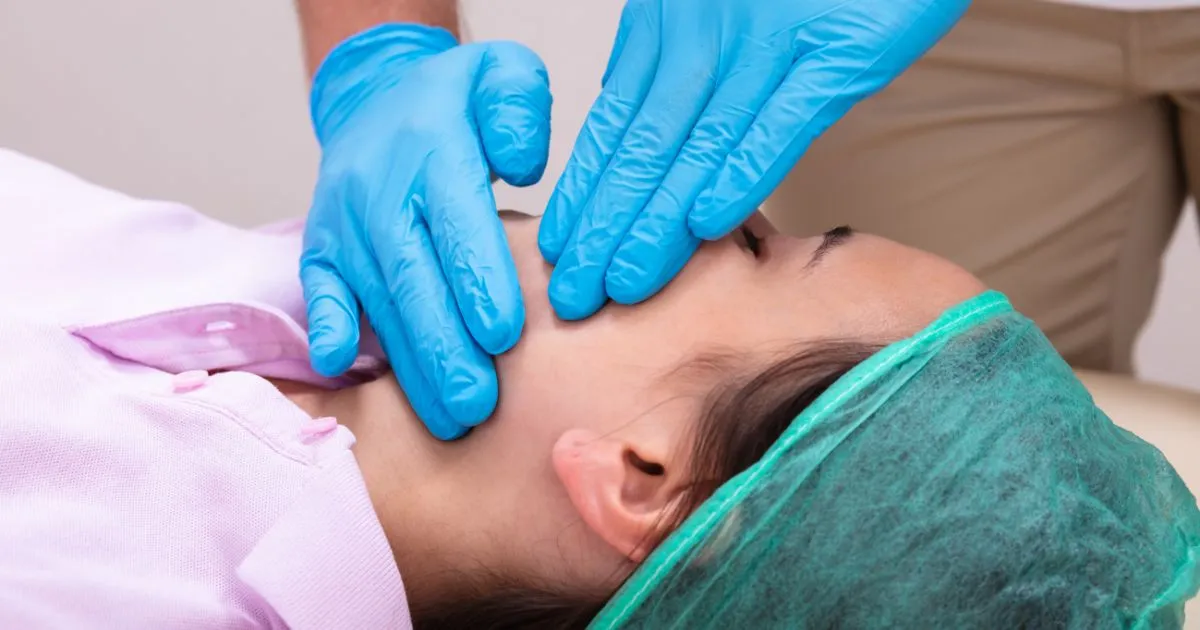
Biphase orthognathic surgery, also known as double jaw surgery, is a life-changing procedure that corrects significant bite misalignment, jaw function issues, and facial imbalances that cannot be resolved with orthodontics alone. If you are considering this surgery, going in informed is essential for your experience and recovery. Here is what you should know before taking the next step.
Preparation Starts Long Before Surgery Day
Double jaw surgery is rarely a quick fix. Most patients require orthodontic treatment for one to two years before the procedure to properly align the teeth so that the upper and lower jaws will fit together correctly once repositioned. Your oral and maxillofacial surgeon will work closely with your orthodontist throughout this process, using imaging, digital scans, and 3D models to develop a precise surgical plan tailored to your anatomy.
Double Jaw Surgery Is an Extensive Procedure
The surgery typically takes between three and six hours under general anesthesia, depending on the complexity of your case. Both the upper jaw (maxilla) and lower jaw (mandible) are repositioned and secured with small titanium plates and screws. Most patients remain in the hospital overnight for monitoring. Incisions are made inside the mouth, so there are no visible external scars.
Swelling Will Be More Than You Expect
Swelling peaks during the first week and can be dramatic. Ice packs applied consistently in the early days are one of the most effective tools for managing it. Plan to have several on hand. Most of the visible swelling resolves within two to three months, but subtle swelling can persist for up to a year before final results are fully visible. Patience is essential.
Your Diet Will Change Completely — Plan Ahead
For the first several weeks, your diet will be limited to liquids and blended foods. Before surgery, stock your kitchen with protein shakes, broths, smoothie ingredients, and a reliable blender. Getting enough calories is critical for healing, so variety matters. Patients who plan their liquid diet ahead of time tend to recover more comfortably than those who figure it out as they go.
Arrange Help at Home During Recovery
The first few weeks after surgery, everyday tasks become genuinely difficult. You will need a caregiver available around the clock in the early days. Simple things such as getting up, brushing your teeth, and changing clothes may require assistance. Do not underestimate this. Most patients take two to four weeks off work or school, and those in physically demanding jobs may need longer. Arrange your support system before your surgery date.
Numbness and Unusual Sensations Are Normal
As nerves heal following surgery, it is common to experience numbness or tingling in the face, lips, chin, and nose. This can feel strange and unsettling, but it is a normal part of recovery. Sensation typically returns gradually over weeks to months. Warm compresses can provide some relief during this phase. Your surgical team will monitor nerve recovery at your follow-up appointments.
Post-surgery Oral Hygiene Is Essential
Keeping your mouth clean after surgery is critical for preventing infection and protecting healing tissue. Although brushing may be difficult at first, gentle rinsing and careful cleaning with a soft-bristle toothbrush should begin as soon as your surgeon approves. Do not skip this step, even when it feels uncomfortable.
Orthodontic Treatment Continues After Surgery
Surgery repositions the jaws, but orthodontic treatment continues afterward to fine-tune bite alignment and ensure lasting results. This phase typically lasts several months. Final results in both function and appearance are usually fully visible around six months to one year post-surgery.
The Results Are Worth It
Patients who undergo double jaw surgery often describe significant improvements not only in function, such as chewing, breathing, and jaw comfort, but also in confidence and quality of life. Many report complete relief from chronic headaches, jaw pain, and TMJ-related symptoms that had plagued them for years.
South Jersey Oral Surgeons at Lanzi Burke Oral & Maxillofacial Surgeons Will Help You Decide if Double Jaw Surgery Is Right for You
The South Jersey oral surgeons at Lanzi Burke Oral & Maxillofacial Surgeons are experienced in orthognathic surgery and committed to guiding you through every stage of the process. To speak with one of our skilled oral surgeons, call us at 856-582-4222 or contact us online. With convenient office locations in Washington Township, Haddonfield, and Woolwich Township, New Jersey, we serve patients throughout South Jersey.