

Key Takeaways
- A wisdom tooth that grows sideways is usually impacted because it lacks room to erupt normally.
- Horizontal and angled impactions may press against the second molar, trap bacteria, or contribute to infection and decay.
- Some impacted wisdom teeth cause no immediate pain, so an examination and dental imaging are important.
- Treatment depends on the tooth’s position, symptoms, surrounding structures, and long-term risk.
The South Jersey oral surgeons at Lanzi Burke Oral & Maxillofacial Surgeons evaluate sideways wisdom teeth and determine whether monitoring or removal is appropriate. An angled tooth can remain partly or completely beneath the gum and affect nearby teeth before symptoms develop. Understanding its position can help patients seek care before a manageable concern becomes painful.
What Does It Mean When a Wisdom Tooth Grows Sideways?
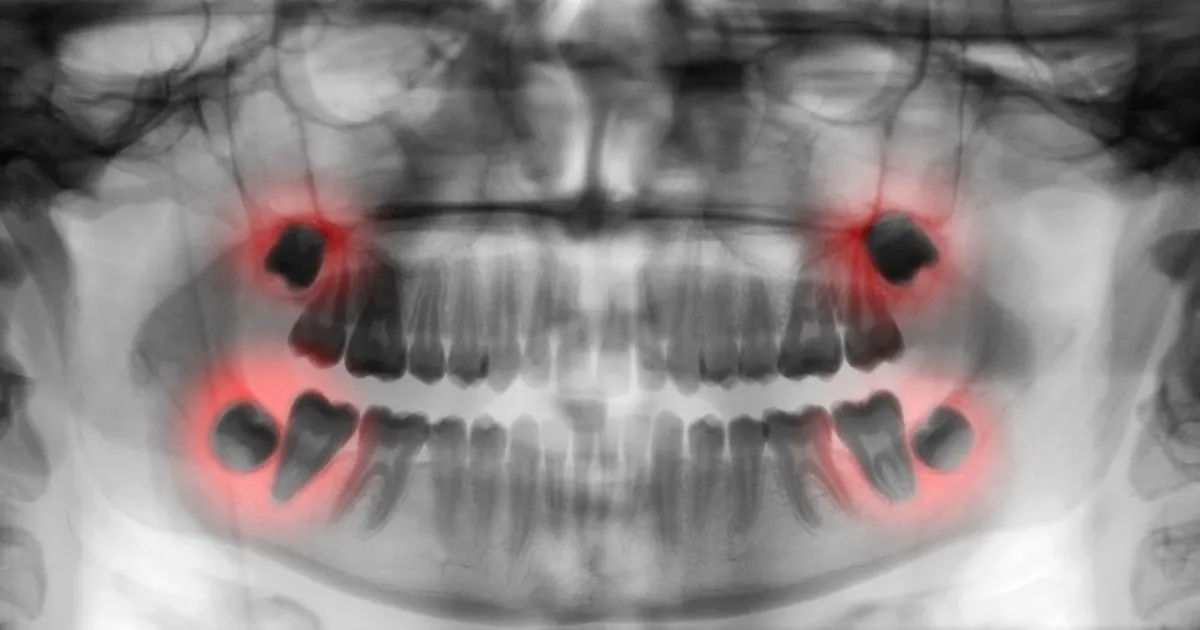
A sideways wisdom tooth is typically a horizontally or angularly impacted third molar. It sits at the mouth’s rear. Instead of erupting upright behind the second molar, it tilts forward, backward, or nearly parallel to the jaw, usually because there is not enough space.
An impacted tooth may be fully encased in bone or partly visible through the gum. Partial eruption can create a flap that collects food and bacteria. Its position and depth help determine whether observation or surgery is recommended.
What Symptoms Can a Sideways Wisdom Tooth Cause?
Some sideways wisdom teeth remain painless, but no pain does not confirm health. Symptoms may include pressure behind the last molar, swollen or bleeding gums, jaw stiffness, bad breath, an unpleasant taste, or difficulty opening the mouth.
Repeated gum inflammation around a partly erupted tooth is called pericoronitis. Seek prompt dental care for worsening pain, fever, facial swelling, or drainage. Trouble breathing or swallowing requires urgent care.
Can a Sideways Wisdom Tooth Damage Nearby Teeth?
Yes. A wisdom tooth angled toward the second molar can create a difficult-to-clean space. Plaque and bacteria may contribute to cavities, gum disease, infection, or damage to the neighboring molar. An impacted tooth may also develop a cyst that harms surrounding bone or structures.
Early assessment matters because preserving the second molar is an important treatment goal. Waiting for severe pain may allow disease to progress unnoticed.
How Is a Sideways Wisdom Tooth Diagnosed?
An oral surgeon evaluates symptoms, gum health, available space, and nearby teeth. A panoramic X-ray can show the impaction’s angle, depth, roots, and relationship to the second molar. 3D imaging may be appropriate when roots appear close to a nerve or other structure.
The surgeon also considers age, medical history, prior infections, and the ability to clean the area before recommending care.
Does a Sideways Wisdom Tooth Need to Be Removed?
Not every impacted wisdom tooth requires immediate extraction. A disease-free tooth may be monitored with examinations and imaging. Removal may be advised for pain, recurrent infection, decay, gum disease, a cyst, or damage to an adjacent tooth.
For surgical extraction, the surgeon may open the gum, remove some bone, and divide the tooth for controlled removal. Anesthesia and recovery instructions are tailored to the patient.
Frequently Asked Questions
Can a sideways wisdom tooth straighten on its own?
A deeply horizontal tooth is unlikely to erupt into a normal position, but imaging is needed to evaluate its exact orientation and development.
Can a sideways wisdom tooth cause headaches or jaw pain?
It may contribute to pressure or jaw discomfort, but these symptoms have other possible causes. An examination can identify the likely source.
Is extraction harder when a wisdom tooth is horizontal?
Its position can make removal more involved. Complexity also depends on root shape, depth, bone coverage, and nearby nerves.
What happens if an impacted wisdom tooth does not hurt?
The tooth may still need monitoring because decay, gum problems, or damage to the neighboring molar can develop without pain.
South Jersey Oral Surgeons at Lanzi Burke Oral & Maxillofacial Surgeons Can Advise You About Your Wisdom Teeth
A sideways wisdom tooth needs an individualized assessment. The South Jersey oral surgeons at Lanzi Burke Oral & Maxillofacial Surgeons can review your imaging, explain each option’s benefits and risks, and recommend a plan based on your oral health. Call 856-582-4222 or complete the online form for an initial consultation. With convenient office locations in Washington Township, Haddonfield, and Woolwich Township, New Jersey, we serve patients throughout South Jersey.