

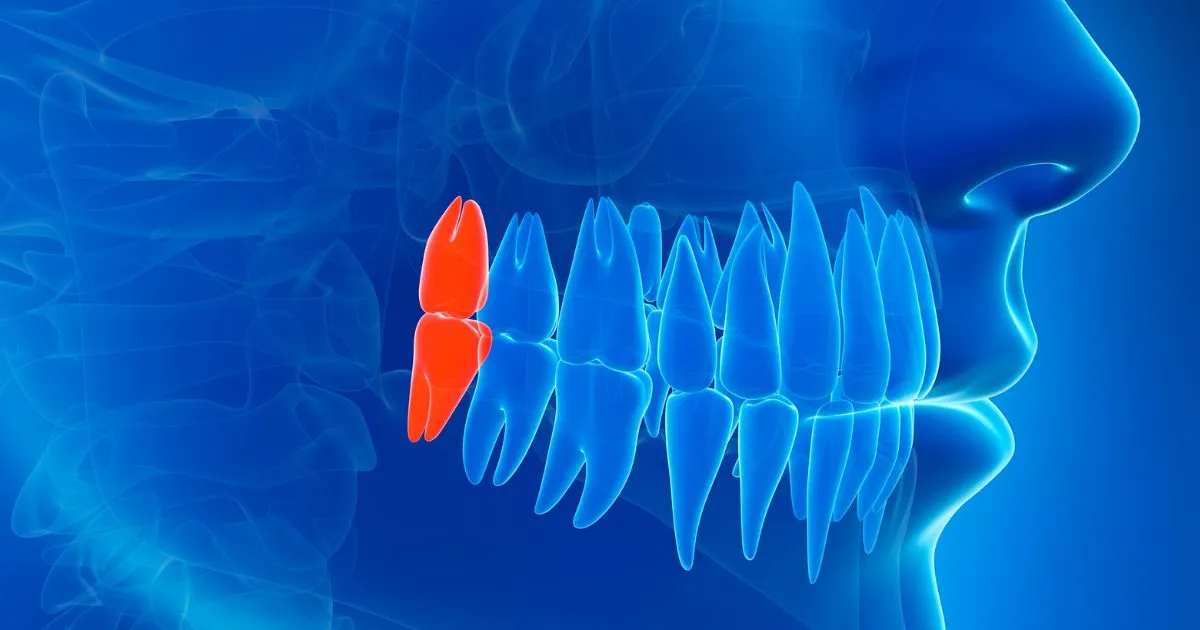
Wisdom teeth, or third molars, are the last set of teeth to emerge, usually appearing in the late teens or early twenties. For many people, these teeth cause discomfort, crowding, or oral health problems, which often lead to removal. However, not every person will need to have all four wisdom teeth extracted. The decision depends on factors such as jaw size, tooth position, and long-term oral health.
When Is Removal of All Four Wisdom Teeth Recommended?
Even when wisdom teeth are not causing pain, removal is often recommended to prevent future complications. Because they are located at the very back of the mouth, wisdom teeth are harder to clean properly. Food and bacteria can accumulate around them, increasing the risk of gum infection, cavities, or decay in neighboring teeth.
In some cases, wisdom teeth remain impacted, meaning they are trapped beneath the gum or jawbone. Impacted teeth can push against adjacent molars, create cysts, or damage bone tissue over time. Removing them before they cause these issues can help protect the rest of your mouth.
Younger patients generally experience smoother recoveries because their wisdom tooth roots are not fully developed and their bone tissue is softer. As people age, the roots of the teeth become longer and more embedded in the jawbone, making extraction more complex and increasing the risk of nerve irritation or prolonged healing.
When Can Wisdom Teeth Safely Stay in Place?
Not everyone needs to have their wisdom teeth removed. If the teeth are fully erupted, properly aligned, free of cavities, and surrounded by healthy gum tissue, they may be able to stay in place without causing problems. In these cases, dentists or oral surgeons usually recommend regular monitoring through dental checkups and X-rays to watch for any changes.
The decision depends on each person’s anatomy. Factors such as jaw space, tooth position, and alignment all determine whether wisdom teeth can remain safely. If there is enough room and the teeth function normally, removal may not be necessary.
What Should I Expect During Wisdom Tooth Removal?
If removal is recommended, the procedure can range from a simple extraction to a surgical one. Simple extractions involve loosening and removing the tooth once it has erupted above the gumline. Surgical extractions, often necessary for impacted or partially erupted teeth, require a small incision in the gum and sometimes removal of a small portion of bone to access the tooth.
Anesthesia or sedation is typically used to ensure comfort throughout the procedure. Once the teeth are removed, stitches may be placed to help the gums heal properly. Most patients go home the same day with postoperative instructions that include rest, ice packs, and soft foods for a few days.
What Should I Know About the Risks and Recovery?
Wisdom tooth removal is a common and safe procedure, but it does carry some risks. These can include infection, prolonged bleeding, dry socket (when the blood clot at the surgical site is dislodged), and temporary nerve sensitivity. Following aftercare instructions, such as avoiding smoking or drinking through a straw, helps reduce complications and promote healing.
Most patients recover within a week, though some may take longer depending on the complexity of their extraction and their overall health. Regular follow-up visits help ensure proper healing and address any discomfort.
What Should I Do if I am Unsure About Removal?
If you’re uncertain whether your wisdom teeth should be removed, a consultation with an oral and maxillofacial surgeon can help. They can evaluate your teeth through a physical examination and imaging studies, explain potential risks, and help determine whether extraction is the best course of action. Early evaluation—typically in the late teens—provides the best opportunity to make an informed decision before complications develop.
South Jersey Oral Surgeons at Lanzi Burke Oral & Maxillofacial Surgeons Provide Individual Guidance
Every patient’s mouth is different, and decisions about wisdom tooth removal should be made with careful consideration. The South Jersey oral surgeons at Lanzi Burke Oral & Maxillofacial Surgeons provide individualized evaluations to determine whether your wisdom teeth should be extracted or monitored over time. With their experience in advanced surgical care and a focus on patient comfort, they can help you maintain a healthy, pain-free smile for years to come. Call 856-582-4222 or fill out the online form for an initial consultation. With offices located in Washington Township, Haddonfield, and Woolwich Township, New Jersey, we proudly serve all clients of South Jersey.