

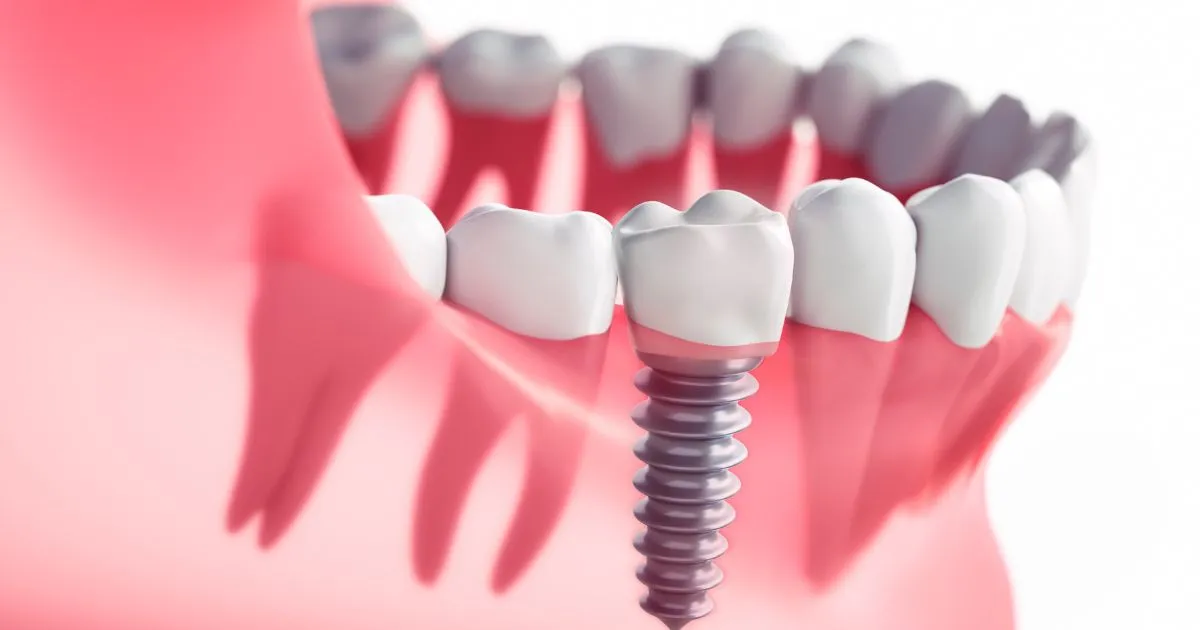
Dental implants have become one of the most effective long-term solutions for replacing missing teeth, and endosteal implants are the most commonly used type. Because they are placed directly into the jawbone, they offer stability, durability, and a natural feel that closely mimics real teeth. For patients in South Jersey who are considering implant treatment, understanding what endosteal implants are — and how they work — can help them make informed decisions about their oral health.
How Do Endosteal Implants Work?
Endosteal implants are small titanium or ceramic posts that serve as artificial tooth roots. During surgery, the implant is placed into the jawbone, where it fuses with the bone over several months. This process, known as osseointegration, allows the implant to become firmly anchored so it can support a crown, bridge, or denture. Because the implant integrates with the jawbone, it provides a level of stability that traditional removable options cannot achieve.
Many patients appreciate that endosteal implants function much like natural teeth. Once fully healed, they allow patients to bite, chew, and speak comfortably without worrying about shifting or slipping.
Who Is a Good Candidate for Endosteal Implants?
Endosteal implants work best for patients who have sufficient jawbone density to support the implant. When bone is healthy and strong, the implant has a better chance of fusing properly and providing long-term stability. Patients with bone loss — often caused by prolonged tooth loss, gum disease, or trauma — may require bone grafting before implant placement.
Good oral hygiene, stable overall health, and a commitment to postsurgical care also influence whether a patient is a strong candidate. Conditions such as uncontrolled diabetes or heavy smoking can slow healing or interfere with osseointegration, and these factors are carefully evaluated during consultation.
What Happens During the Implant Procedure?
The procedure generally takes place in stages. First, the surgeon evaluates the jawbone through imaging and examination to determine whether bone grafting is needed. If the jawbone has adequate volume, the implant can be placed directly into the bone. After placement, the bone must heal and fuse around the implant. This healing phase may take several months, but it is essential for long-term success.
Once osseointegration is complete, an abutment — a small attachment connecting the implant to the final restoration — is placed. After the surrounding tissue heals, the replacement tooth or prosthetic is added. When finished, the implant looks and feels like a natural tooth.
What Are the Benefits of Endosteal Implants?
One of the leading advantages of endosteal implants is their durability. Because they integrate with the jawbone, they can last decades with proper care. They also help preserve jawbone density by stimulating the bone, preventing the bone loss that commonly occurs after tooth loss.
Patients also experience improved comfort and function. Unlike dentures, which can shift or irritate soft tissues, implants remain fixed in place. They allow patients to eat a wider variety of foods and speak confidently. And because the restoration is custom-shaped and color-matched, the final result blends seamlessly with the surrounding teeth.
Are There Alternatives to Endosteal Implants?
For patients who lack adequate jawbone and cannot or prefer not to undergo bone grafting, subperiosteal implants may be an alternative. These implants rest above the bone but beneath the gum tissue. Although they provide an option for certain patients, they do not offer the same level of bone integration and long-term stability as endosteal implants. That is why endosteal implants remain the standard choice for most implant candidates.
How Should Patients Care for Endosteal Implants?
Caring for implants is similar to caring for natural teeth. Patients should brush twice daily, floss regularly, and attend routine professional cleanings. Maintaining good oral hygiene prevents peri-implant disease, which can compromise the bone supporting the implant. Avoiding smoking and managing overall health also play significant roles in long-term implant success.
South Jersey Oral Surgeons at Lanzi Burke Oral & Maxillofacial Surgeons Will Restore Your Smile
Endosteal implants offer patients a durable, natural-feeling solution for replacing missing teeth and restoring oral function. When placed by experienced professionals, they can dramatically improve confidence, comfort, and long-term dental health. The South Jersey oral surgeons at Lanzi Burke Oral & Maxillofacial Surgeons provide advanced implant care for patients seeking reliable, long-lasting treatment options tailored to their needs. Call 856-582-4222 or fill out our online form for an initial consultation. With offices in Washington Township, Haddonfield, and Woolwich Township, New Jersey, we proudly serve patients throughout South Jersey.