

Dental implants are one of the most effective and long-lasting solutions for replacing missing teeth. Unlike traditional dentures or bridges, implants are designed to look, feel, and function like natural teeth.
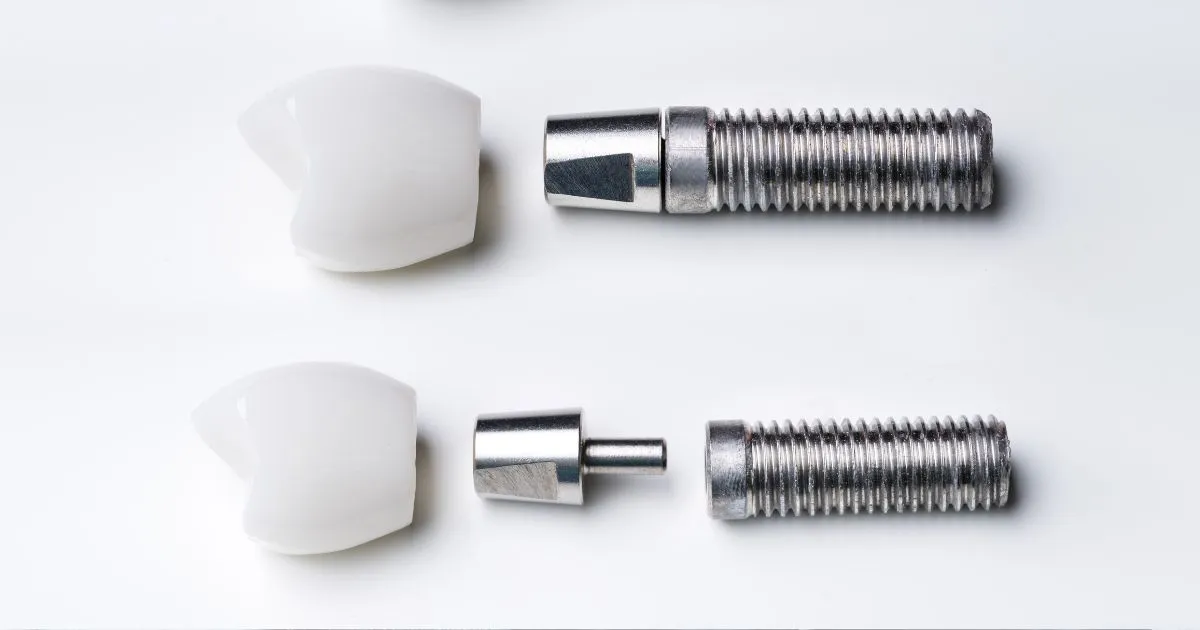
For patients in South Jersey, understanding each part of a dental implant—the post, abutment, and crown—can provide confidence and clarity about the procedure. Each component plays a crucial role in creating a stable, durable restoration that supports long-term oral health and a natural-looking smile.
What Is the Implant Post?
The implant post serves as the foundation of the dental implant system. This small, screw-like component—typically made of titanium—is surgically placed into the jawbone to replace the missing tooth root. Over time, the post fuses with the bone through a process called osseointegration, creating a secure base strong enough to support the crown. This fusion is key to the implant’s stability and longevity.
Beyond providing structural support, the implant post helps maintain the health of the jawbone. When a tooth is lost, the surrounding bone can deteriorate due to a lack of stimulation from chewing. By integrating into the jaw, the implant post continues to stimulate the bone, preventing bone loss and helping preserve facial structure and oral health. After placement, patients typically undergo a healing period to allow the post to bond with the bone before moving on to the next step.
What Role Does the Abutment Play?
Once the implant post has fully healed, the abutment is attached. The abutment is a small connector that links the implant post to the crown. It extends slightly above the gumline and provides support to hold the visible portion of the implant in place.
During this stage, the oral surgeon exposes the implant and secures the abutment, allowing the gums to heal around it naturally. Abutments are commonly made from titanium, zirconia, or stainless steel, and their precise placement ensures the crown fits correctly and comfortably.
The abutment is essential for both the functionality and appearance of the implant. A well-fitted abutment ensures proper alignment with surrounding teeth, supporting a balanced bite and a natural aesthetic.
What Is the Purpose of the Crown?
The crown is the visible part of the dental implant and serves as the final restoration. Custom-made from durable, tooth-colored materials like porcelain or ceramic, crowns are designed to match the shape, size, and shade of your natural teeth. The crown is securely attached to the abutment, completing the restoration and restoring full function to your smile.
Because the crown is anchored to the implant rather than resting on the gums, it feels stable and natural. Patients can eat, speak, and smile with confidence, knowing their implant functions like a real tooth. While the titanium post will not decay, proper care—including brushing, flossing, and regular dental checkups—is crucial to maintaining healthy gums and long-term implant success.
How Long Does the Dental Implant Process Take?
The dental implant process varies depending on a patient’s oral health and healing capacity. After the post is placed, several months may be required for osseointegration before the abutment and crown can be attached. This staged approach ensures the implant is strong enough to withstand normal biting and chewing forces.
In some cases, same-day implants may be an option, but most patients benefit from the traditional staged process to allow proper healing and optimal long-term outcomes. Once the crown is placed, the implant functions like a natural tooth and can last for decades with proper care.
Are Dental Implants Safe and Reliable?
Dental implants are among the most successful procedures, with success rates exceeding 95%. Titanium and zirconia are highly biocompatible materials that integrate well with the body and rarely cause allergic reactions.
When placed by skilled oral surgeons using advanced imaging and precise surgical planning, implants are safe and predictable. Potential risks—including infection, implant failure, or nerve irritation—are rare and minimized through careful evaluation, proper surgical technique, and diligent aftercare.
Restore Your Confidence – Contact Our South Jersey Oral Surgeons at Lanzi Burke Oral & Maxillofacial Surgeons
Understanding how the post, abutment, and crown work together highlights why dental implants are the gold standard for tooth replacement. Our South Jersey oral surgeons at Lanzi Burke Oral & Maxillofacial Surgeons provide personalized implant care. Call 856-582-4222 or fill out our online form for an initial consultation. We have offices in Washington Township, Haddonfield, and Woolwich Township, New Jersey.